

It appears that your cart is currently empty
🧠 Behind the Wheel: The Psychology of Steering Wheel Design
· Updated

🧠 Behind the Wheel: The Psychology of Steering Wheel Design
When you grip a steering wheel, you're not just holding a tool—you're connecting with your car on a deeply psychological level. From the texture under your fingertips to the shape that frames your view, steering wheel design plays a powerful role in how drivers feel, behave, and even perceive their vehicles.
In this article, we explore the fascinating psychology behind steering wheel design, how it influences driver experience, and why top automakers invest heavily in emotional ergonomics.

Notes from Two Scientific Psychologists: What miming a steering wheel tells us about what we learn
🚗 The Steering Wheel as a Psychological Interface
The steering wheel is the primary touchpoint between driver and machine. It’s where control, comfort, and emotion converge. Unlike other car components, the wheel is constantly in use—making its design critical to both safety and satisfaction.
According to a study published by Springer, familiarity is the most significant emotional factor in steering wheel preference. Drivers tend to favor designs that feel intuitive and recognizable, which fosters a sense of trust and control.
Smart Steering Wheel Design for Health Monitoring
Smart steering wheel designs now integrate health and drowsiness monitoring for enhanced safety.
🧬 Emotional Design: More Than Just Looks
Designers today go beyond aesthetics. They use emotional design principles to create steering wheels that evoke specific feelings:
- Confidence: Thick grips and contoured thumb rests signal control and stability.
- Luxury: Premium materials like Alcantara or carbon fiber trigger feelings of exclusivity.
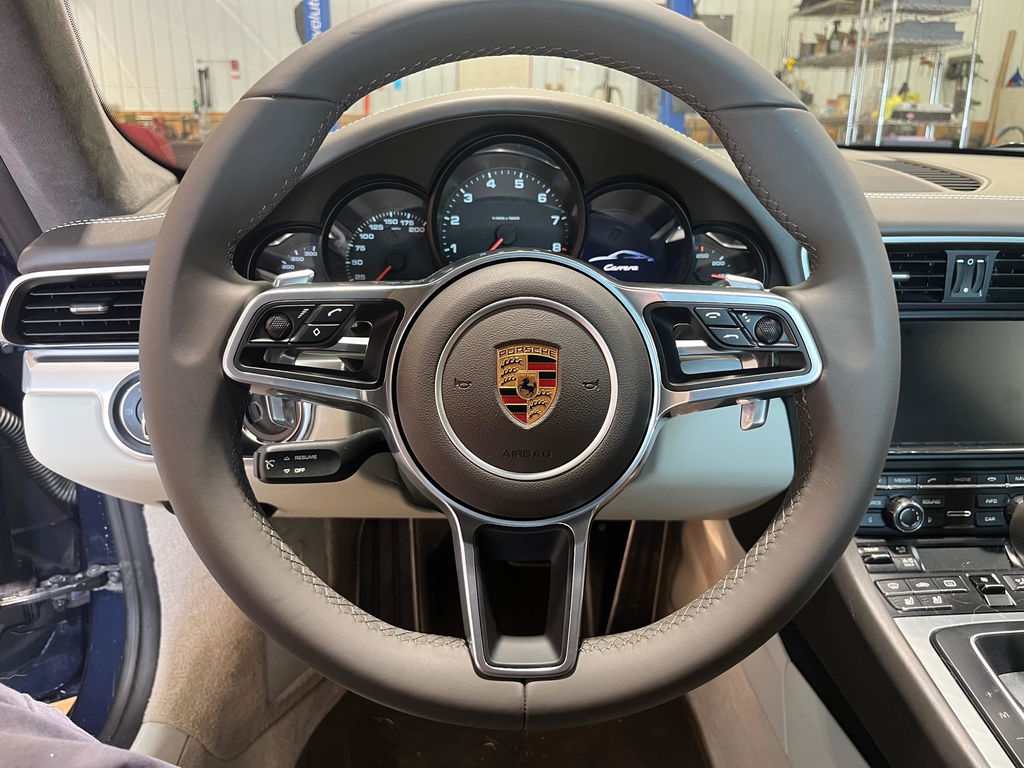
- Sportiness: Flat-bottom wheels and bold stitching suggest performance and agility.
These cues aren’t accidental—they’re rooted in consumer psychology. When a driver feels emotionally connected to their steering wheel, they’re more likely to enjoy the drive, trust the vehicle, and remain loyal to the brand.
👁️ Eye Movement & Gaze Psychology
A fascinating study using eye-tracking technology revealed that drivers who preferred a steering wheel design tended to scan its components more evenly, indicating deeper engagement. This insight helps designers place buttons, textures, and contours where the eye naturally lands.
🔍 Heat map entropy analysis showed a positive correlation between preference and gaze distribution—meaning the more a driver liked the wheel, the more they explored it visually.
🧠 Cognitive Load & Control Placement
Modern steering wheels are packed with controls—audio, cruise, lane assist, even voice commands. But too many buttons can overwhelm the driver, increasing cognitive load and reducing reaction time.
Psychologists recommend grouping controls by function and using tactile differentiation (e.g., raised vs. recessed buttons) to help drivers operate them without looking. This design strategy reduces mental effort and improves safety.
Ergonomic Steering Wheel Design
Ergonomic designs reduce fatigue and enhance control during long drives.
🧘♂️ Comfort, Stress & Driver Behavior
Comfort isn’t just physical—it’s psychological. A poorly designed wheel can cause stress, distraction, and fatigue, especially during long drives. Features that reduce discomfort include:
- Adjustable tilt and telescopic columns
- Soft-touch materials
- Temperature regulation (heated wheels)
These elements contribute to a calmer driving experience, which in turn reduces aggressive behavior and improves focus.
🧪 Experimental Designs & Driver Response
Some automakers are pushing boundaries with non-traditional wheel shapes, like Tesla’s yoke-style wheel or BMW’s hexagonal designs. While innovative, these designs often receive mixed reactions.
A study on steering wheel behavior in automated driving found that full-motion wheels were most accepted by drivers during takeover scenarios, while reduced or static wheels decreased trust and control.
⚠️ Design experiments must balance innovation with psychological comfort—too much deviation can alienate drivers.
🧭 Cultural & Demographic Influences
Psychological preferences vary across cultures and age groups:
- Younger drivers tend to favor sporty, minimalist designs.
- Older drivers prefer traditional layouts with clear tactile feedback.
- Luxury buyers expect premium materials and seamless integration.
Understanding these nuances helps brands tailor steering wheels to their target audience—boosting satisfaction and sales.
🔮 The Future of Steering Wheel Psychology
As autonomous driving evolves, the role of the steering wheel will shift. But even in hands-off scenarios, the wheel remains a symbol of control. Designers are exploring:
- Touch-sensitive surfaces
- Haptic feedback
- Biometric sensors for health monitoring
These innovations aim to maintain emotional connection and safety—even when the car drives itself.
Touch-Sensitive Steering Wheel Concept
Future wheels may include touch-sensitive inputs and recyclable materials.
📝 Final Thoughts: Why It Matters for Your Customers
At AGEStyling, we understand that steering wheel upgrades aren’t just cosmetic—they’re psychological enhancements. Whether your customers seek performance, comfort, or style, the right wheel can transform their driving experience.
By offering designs that align with emotional and ergonomic principles, you’re not just selling a product—you’re delivering confidence, satisfaction, and joy behind the wheel.
📣 Explore Our Collection
Ready to upgrade your ride? Browse our steering wheel catalog and discover designs that speak to your soul. From OEM-compatible builds to bold custom styles, we’ve got the wheel that fits your hand—and your mind.

Design of Smart Steering Wheel for Unobtrusive Health and Drowsiness Monitoring

The Steering Wheel: A Design Space Exploration | SpringerLink

Usability Assessment of Steering Wheel Control Interfaces in Motorsport Automotive Innovation
Related guides


Shop the parts: Steering Wheels View all

BMW
06-10 BMW M5 E60 M6 E63 Steering Wheel Manual Transmission # 32-34-2-283-933
€613,95 €1.015,95
Genuine BMW M Sport steering wheel compatible with M5 E60-series manual transmission vehicles, featuring multi-function controls & lower M-trim, without gear shift paddles. Sold with right mult...

Audi
01-02 Audi RS4 B5 Suede Alcantara Steering Wheel # 8D0-419-091-AC-1ET
€572,95 €1.199,95
Genuine Audi RS4 B5 Quattro GmbH steering wheel trimmed in genuine suede Alcantara®. Brand: Audi Audi part #: 8D0-419-091-AC-1ET, 8D0 419 091 AC 1ET, 8D0419091AC1ET Finish: Suede alcan...

Audi
01-02 Audi RS4 B5 Quattro GmbH Punched Leather Steering Wheel # 8D0-419-091-AB-2A8
€613,95 €1.199,95
Genuine Audi 3-spoke design RS4 B5 Quattro GmbH steering wheel. Updating this steering wheel in the 1999-2000 RS4:s requires a new compatible airbag. Brand: Audi Audi part #: 8D0-419-091-...

BMW
08-13 BMW M3 M1 E82 M Sport Steering Wheel Manual Transmission # 32-30-2-283-733
€408,95 €884,95
Genuine BMW m-series steering wheel rim, compatible with manual transmission vehicles. MSRP: $862.20 Brand: BMW BMW part #: 32-30-2-283-733, 32 30 2 283 733, 32302283733 Finish: Nappa...

0 comments